
Educator spotlight

Andre Mamprin
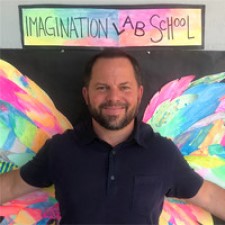
Chris Bezsylko
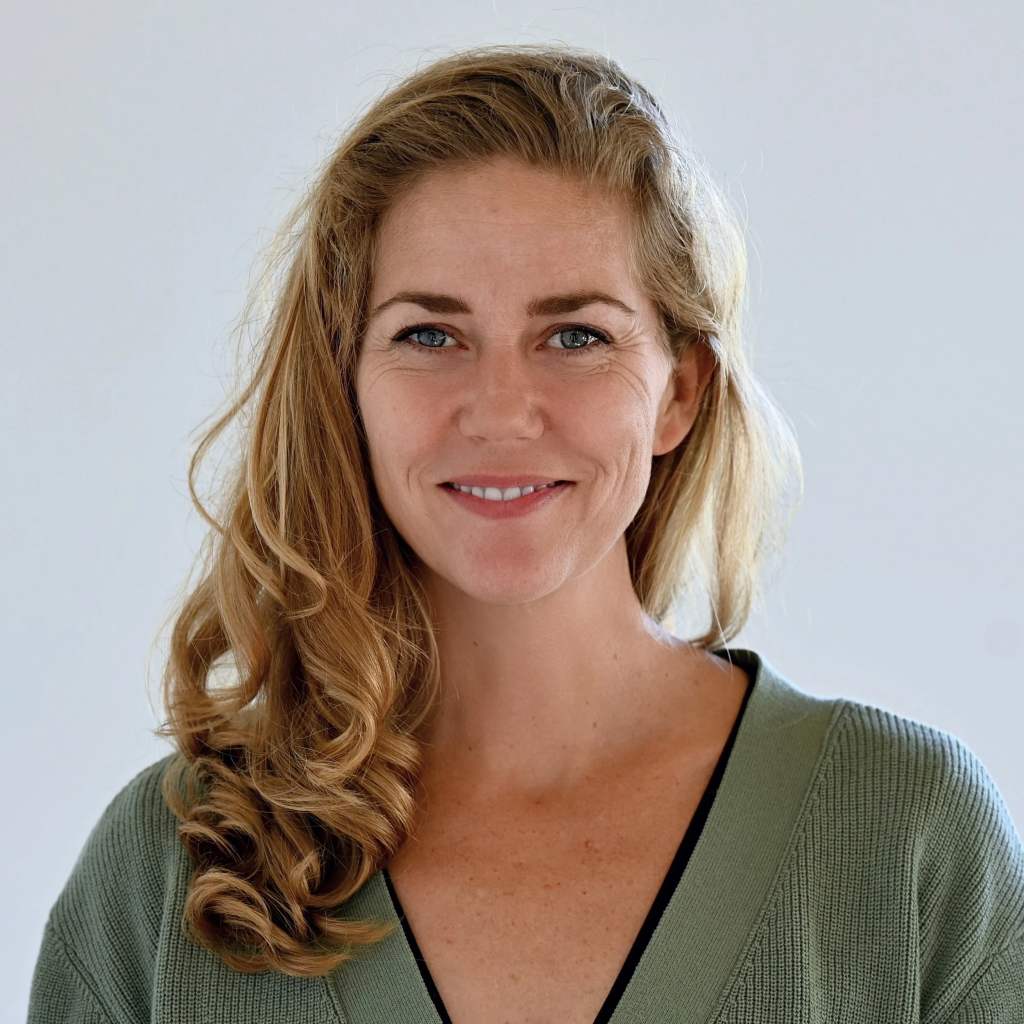
Leona Dauphin
Educator Spotlight: Chris, Sam & Leona
Sam Irving & Leona Dauphin (The Garzón School, Uruguay) and Chris Bezsylko (Imagination Lab School, Palo Alto) discuss what it takes to found and run innovative, human-centred schools.
Two Models of Innovation
The Garzón School (Uruguay)
Intentionally small and deeply community-based in rural Punta del Este. Opened in a modest setting (a former hotel), forcing them to sharpen pedagogy instead of “selling” facilities.
Key: Early families were true “founders” who chose the mission despite limited infrastructure.
Imagination Lab School (Palo Alto)
Progressive K–8 school in Silicon Valley with a focus on honoring childhood and personalizing learning. Opened in a saturated market, yet parents chose it for culture and community over rankings.
Defying Conventional Wisdom
Both schools are deliberately not trying to be everything to everyone. If a family is obsessed with letter grades and homework, they are honest: “We’re probably not the right school for you.”
Heart: “I want something different, authentic, student-centred.”
Head: “Grades, SATs, brand-name universities worked for me; maybe we shouldn’t risk it.”
Persuasion Strategy: Show real impact quickly. Garzón parents report that within two weeks children “fall in love with learning again.” Stories spread more powerfully than brochures.
Pathways & Life After School
To bridge idealism and realism, they intentionally teach the “game of school” in later years without letting it define the experience.
New Credentials
- Mastery Transcript Consortium (MTC): A competency-based transcript showcasing skills and evidence instead of just grades.
- Global Impact Diploma: A project-based high-school diploma focusing on internships and real-world change.
Goal: Students carry a “portfolio of who they are”—universities are increasingly looking for “value add” beyond scores.
Advice for Teachers in Traditional Schools
For the 95% of educators not in experimental schools:
- Do something different on Monday: Add a mindful minute or a student-chosen discussion.
- Anchor in Curriculum, not Textbook: Textbooks are just one interpretation. Redesign activities to be investigative.
- Find Allies: Even in rigid systems, 5–10% of colleagues want to innovate. Form a micro-team.
- Be Radically Authentic: Students need to see adults with humour, doubts, and values.
AI and the Future of Learning
The speakers are cautiously optimistic and very human-centred:
- Amplifier, not Replacement: AI can analyze huge datasets (like student 360° reviews), but interpretation stays human.
- Critical Use: Unlike social media, we must build critical, participatory use from the start.
- Good Use vs. Bad Use: Drafting/editing is good; outsourcing thinking entirely is bad. If AI “finishes” the work, human learning disappears.
Main Entities and References
Below are the main organizations and initiatives referenced in this segment.